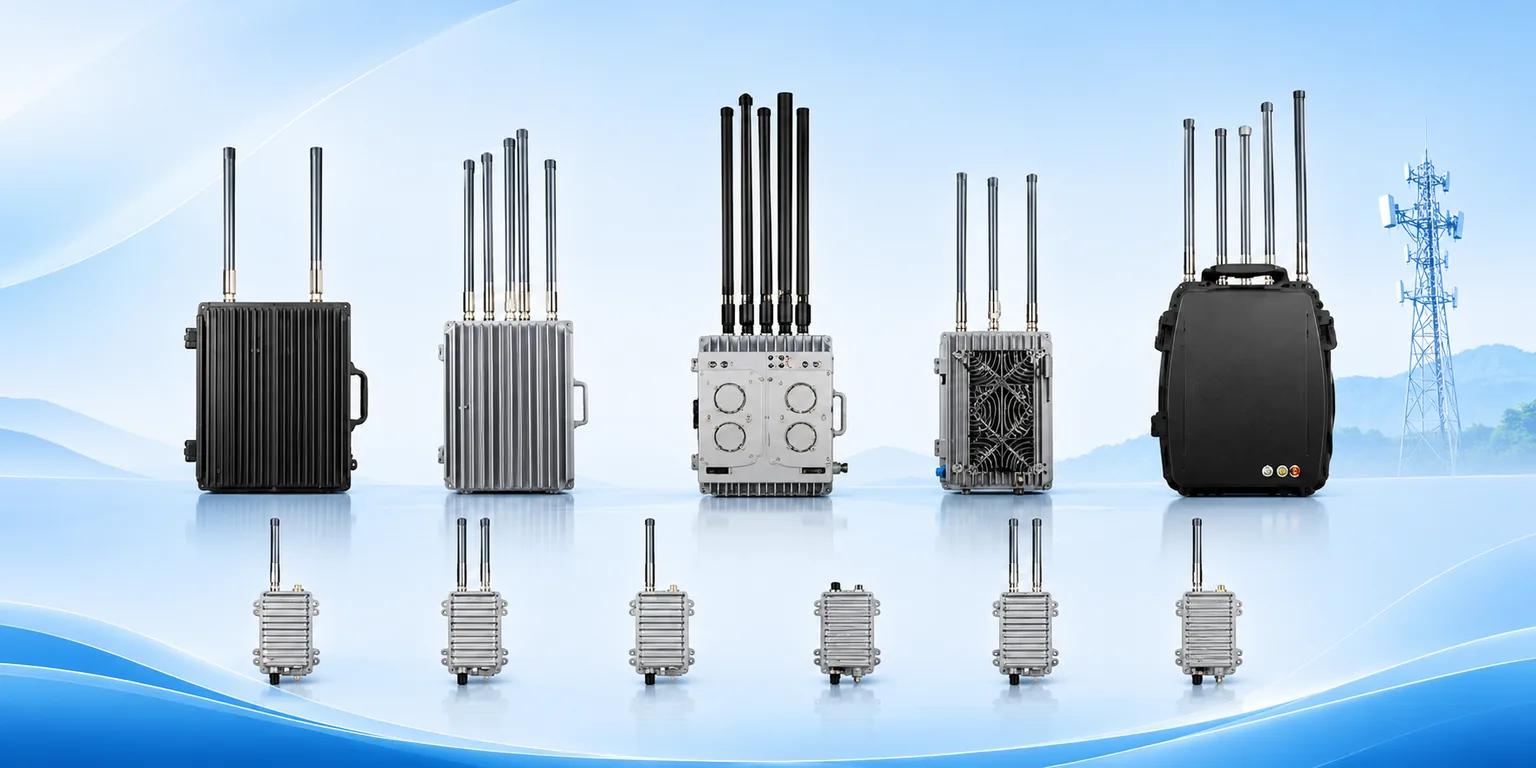
Die Cast Aluminum Enclosure Manufacturer for Outdoor Communication Equipment
Foshan Anyiyao Electrical Equipment Co., Ltd. supplies standard and customized die-cast aluminum enclosure configurations for communication, network, CATV, surveillance and system integration projects. Select from compact enclosure formats, outdoor-oriented configurations, heat-dissipating designs, EMI/RF-oriented project configurations and custom machined solutions.
Choose the Die Cast Aluminum Enclosure Configuration for Your Project
The right enclosure depends on the equipment footprint, installation environment, heat load, sealing requirement and customization level. Start with the configuration that matches your project condition, then confirm the final model, dimensions and documentation with engineering.
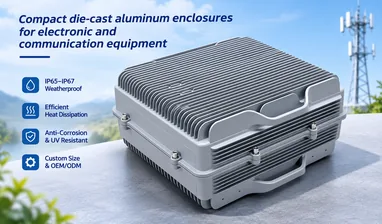
Compact Electronics and Communication Enclosures
Compact die-cast aluminum housings for electronic equipment, communication modules, network devices and control assemblies. Compare external dimensions, usable internal space, cover structure and mounting requirements before selecting a model.
Best starting point: compact equipment, PCB assemblies, communication modules and space-limited installations.
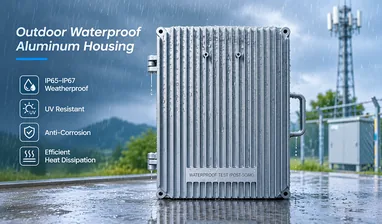
Outdoor Weather-Resistant and IP-Rated Enclosures
Outdoor-oriented aluminum enclosure configurations for communication, surveillance, network and infrastructure equipment. Confirm the applicable gasket, cable entry, mounting method, surface finish and model-specific protection documentation for the final assembly.
Best starting point: outdoor installations where dust, water exposure and mounting conditions affect enclosure selection.
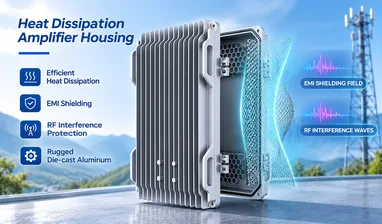
Heat-Dissipating and Fan-Equipped Enclosures
Aluminum housings with cooling fins and selected fan-equipped configurations for equipment where heat load and installation space must be reviewed together. Confirm the internal heat source, ambient conditions, airflow direction and service-access requirements before final selection.
Best starting point: communication or electronic equipment with higher heat-generation requirements.
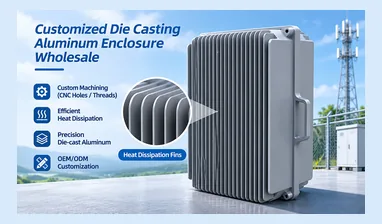
Custom Machined Die-Cast Aluminum Enclosures
Project-specific enclosures with configurable dimensions, cut-outs, cable entry, mounting details, surface finish, markings and other integration features. The process can begin with a requirement review, engineering evaluation, drawing confirmation and sample or pre-production approval.
Best starting point: equipment layouts, non-standard footprints, customized mounting or project-specific cable routing.
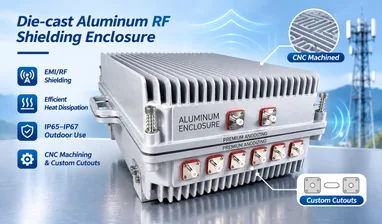
EMI/RF-Oriented Enclosure Configurations
Metal enclosure configurations for projects that require EMI or RF design considerations. Final suitability depends on the enclosure joints, gasket, grounding method, cable openings, internal finish, frequency range and required test method.
Best starting point: communication and electronic equipment where electromagnetic compatibility must be reviewed as part of the complete assembly.
Representative Models and Available Size Formats
Die-cast aluminum enclosure selection starts with the equipment footprint and usable internal space. The following catalog configurations show how external dimensions, internal dimensions and weight change across model formats. Confirm the final model, finish, mounting details and project-specific machining before ordering.
| Model | External dimensions | Internal dimensions | Reference weight |
|---|---|---|---|
| AY315-40W | 315 × 223 × 85 mm | 296 × 209 × 50 mm | 4.4 kg |
| AY321-30W | 321 × 231 × 135 mm | 300 × 210 × 80 mm | 5.5 kg |
| AY370-110W | 370 × 332 × 164 mm | 351 × 261 × 100 mm | 9.4 kg |
| AY420-300W | 420 × 320 × 234 mm | 400 × 300 × 110 mm | 14.7 kg |
| AY502-400W | 502 × 390 × 270 mm | 465 × 365 × 140 mm | 23.5 kg |
| AY564-500W | 564 × 424 × 240 mm | 540 × 400 × 150 mm | 22.0 kg |
| AY564-Fan-500W | 564 × 424 × 240 mm | 540 × 400 × 150 mm | 26.0 kg |
Note: Dimensions are shown in millimetres. Internal space must be checked against the PCB, connectors, cable bend radius, mounting hardware and required service clearance. Send a drawing or component layout when the enclosure must be machined for a specific assembly.
How to Select a Die Cast Aluminum Enclosure
A die-cast aluminum enclosure is only one part of the completed equipment assembly. The final choice should consider the internal components, connectors, mounting method, cable entry, operating environment and any required validation. When a protection or EMI/RF requirement is important, confirm the assembled configuration rather than relying on the material name alone.
| Project condition | Starting configuration | Confirm before quotation |
|---|---|---|
| Compact electronic or communication equipment | Compact electronics and communication enclosure | PCB size, connectors, internal clearance, mounting points and cable exit |
| Outdoor installation | Outdoor weather-resistant or IP-rated configuration | Required protection level, gasket, cable entry, mounting, surface finish and applicable documentation |
| Higher equipment heat load | Finned or fan-equipped configuration | Heat source, ambient temperature, airflow, fan arrangement, service access and validation method |
| EMI/RF-sensitive equipment | EMI/RF-oriented configuration | Frequency range, attenuation target, joint continuity, gasket, grounding, openings and test arrangement |
| Non-standard equipment footprint | Custom machined configuration | 2D/3D drawing, cut-outs, cable routing, mounting, finish, marking and quantity |
When Die-Cast Aluminum Is the Right Starting Point
Foshan Anyiyao can help compare aluminum, metal and plastic enclosure directions when the project is still at the product-definition stage. The most suitable material depends on the equipment layout, environment, heat load, insulation requirement, structure and production route.
| Option | Typical selection logic | Main point to confirm |
|---|---|---|
| Die-cast aluminum | Useful when the project needs a rigid metal housing, compact three-dimensional form, heat-spreading surfaces or an outdoor-oriented configuration | Final dimensions, machining, gasket and assembly validation |
| Extruded aluminum | Useful when a constant cross-section, slide-in PCB arrangement or length-based design is more important | Profile length, end plates, internal slots and sealing method |
| Plastic enclosure | Useful when low weight, electrical insulation or corrosion resistance is the primary requirement | Material grade, wall structure, mounting and environmental requirements |
| Sheet-metal enclosure | Useful for larger cabinets, panels or formed structures with a different fabrication approach | Bending, welding, surface treatment, door and mounting construction |
Solve the Enclosure Decisions That Affect the Finished Equipment
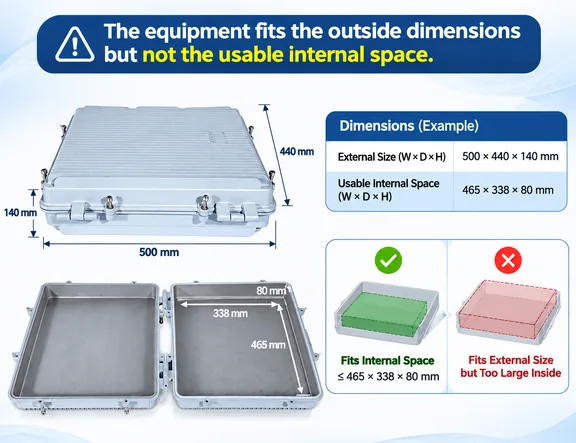
The equipment fits the outside dimensions but not the usable internal space
External size alone does not confirm fit. Connectors, PCB position, cable bend radius, mounting hardware and service clearance can reduce the usable space inside the enclosure. Use the external and internal dimensions together, then confirm the drawing before machining.
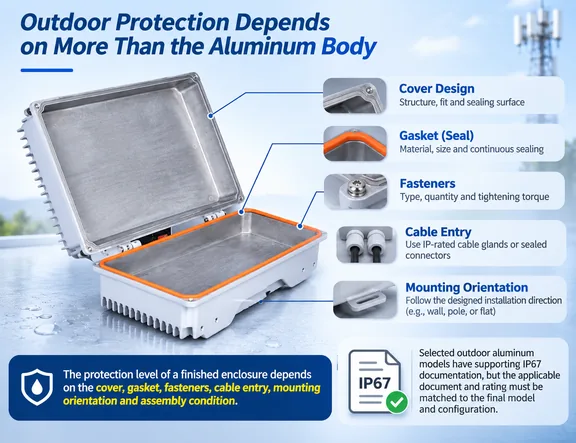
Outdoor protection depends on more than the aluminum body
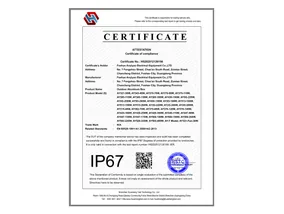
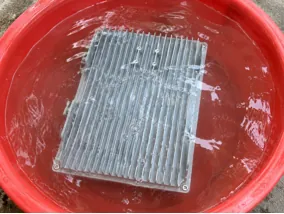
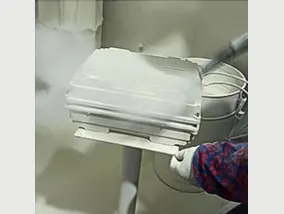
The protection level of a finished enclosure depends on the cover, gasket, fasteners, cable entry, mounting orientation and assembly condition. Selected outdoor aluminum models have supporting IP67 documentation, but the applicable document and rating must be matched to the final model and configuration.
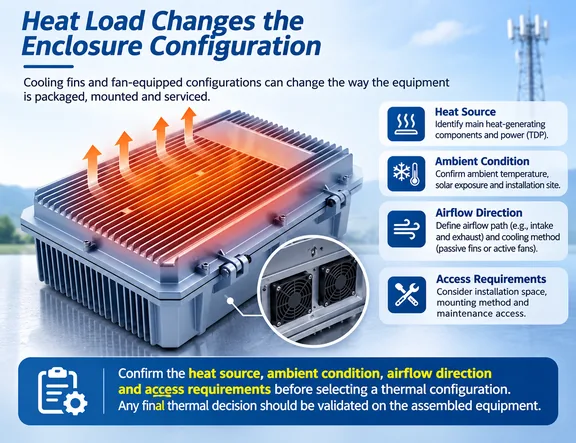
Heat load changes the enclosure configuration
Cooling fins and fan-equipped configurations can change the way the equipment is packaged, mounted and serviced. Confirm the heat source, ambient condition, airflow direction and access requirements before selecting a thermal configuration. Any final thermal decision should be validated on the assembled equipment.
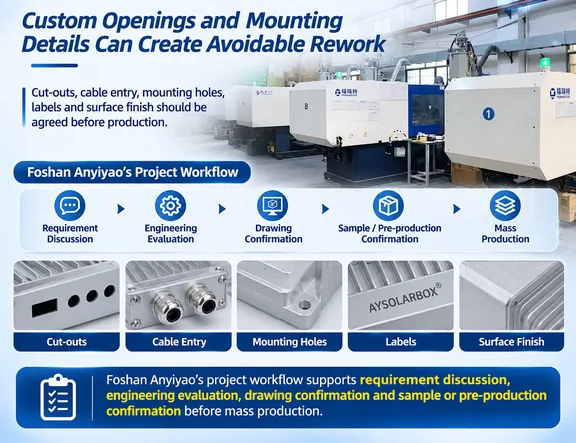
Custom openings and mounting details can create avoidable rework
Cut-outs, cable entry, mounting holes, labels and surface finish should be agreed before production. Foshan Anyiyao’s project workflow supports requirement discussion, engineering evaluation, drawing confirmation and sample or pre-production confirmation before mass production.
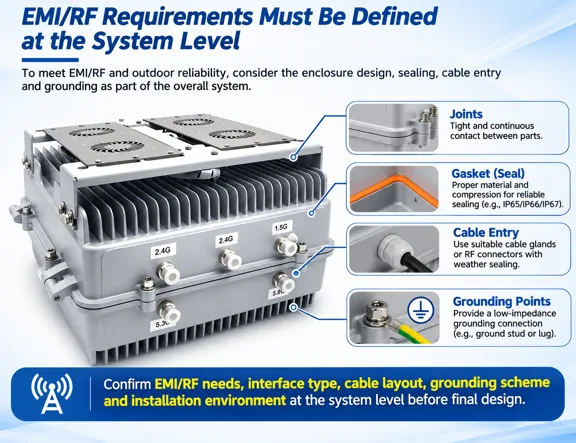
EMI/RF requirements must be defined at the system level
A metal enclosure does not by itself define the shielding result. For EMI/RF-oriented projects, confirm the frequency range, target attenuation, gasket and joint design, grounding method, cable openings, internal finish and test arrangement before selecting or modifying the enclosure.
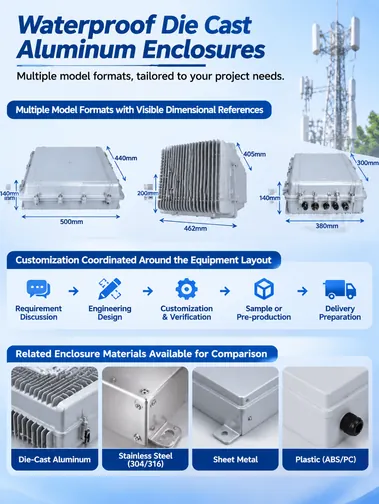
A Clearer Path From Enclosure Selection to Production
Multiple model formats with visible dimensional references
The aluminum enclosure range includes compact and larger model formats with cataloged external dimensions, internal dimensions and reference weights. This gives engineering teams a clearer starting point for PCB, component and mounting-space review.
Customization coordinated around the equipment layout
Customization can cover dimensions, cut-outs, cable entry, mounting, color and surface finish, door or locking details, nameplates, printing and laser marking. Final options are confirmed through engineering review and drawing approval.
Project support from design input to delivery preparation
The project workflow connects requirement discussion, engineering evaluation, drawing confirmation, sample or pre-production review, mass production, inspection, packing and delivery preparation. This keeps technical and manufacturing discussions connected as the enclosure moves toward production.
Related enclosure materials available for comparison
When die-cast aluminum is not the best fit, the project can also be compared with metal or plastic enclosure directions. This is useful when the project must balance thermal behavior, insulation, weight, corrosion considerations, structure and fabrication method.
Applications for Communication and Outdoor Equipment
Die-cast aluminum enclosures are used as equipment housings where the enclosure must be matched to the electronics, installation method and operating environment. Common application directions include:
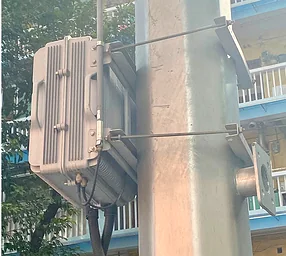
Telecom equipment housings
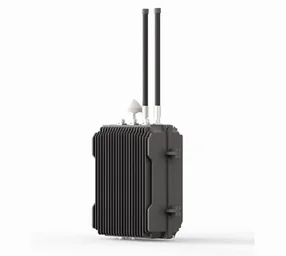
Network and wireless systems
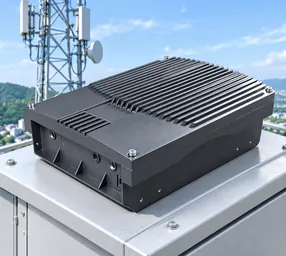
Outdoor communication infrastructure
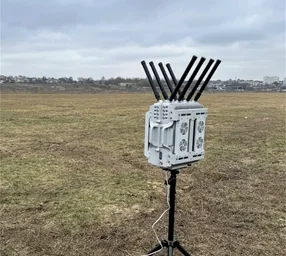
CATV and signal distribution equipment
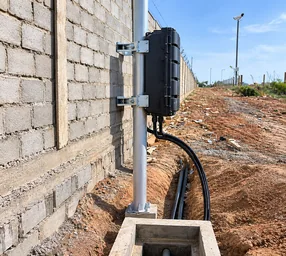
Surveillance equipment
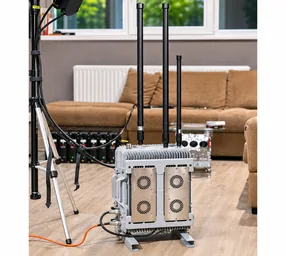
Outdoor control and system-integration
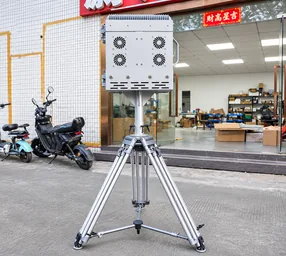
Compact metal electronic housings
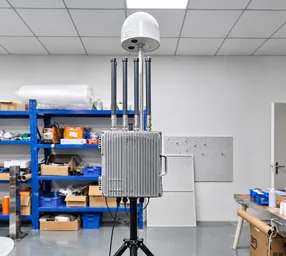
Thermal or EMI/RF configurations
Note: Application fit depends on the equipment layout and the final enclosure configuration. Include the equipment type, installation environment, approximate dimensions and required openings when requesting a recommendation.
From Engineering Review to Production
A clear enclosure project begins with a defined equipment layout and continues through engineering review, drawing confirmation and production preparation.
Requirement Discussion
Review the application, equipment layout, operating environment, quantity and required enclosure direction.
Engineering Evaluation
Check dimensions, internal clearance, mounting, cable entry, thermal considerations and machining requirements.
Drawing Confirmation
Confirm the enclosure dimensions, openings, mounting details, surface finish and markings before production.
Sample or Pre-Production Confirmation
Review the selected configuration before moving to mass production when the project requires validation.
Mass Production
Proceed with the approved product and customization details.
Inspection, Packing and Delivery Preparation
Complete the applicable inspection and prepare the enclosure order for packing and delivery.
Quality Documents and Manufacturing Support
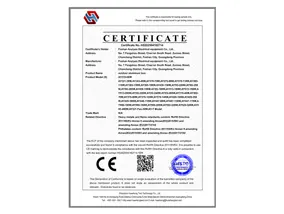
Foshan Anyiyao Electrical Equipment Co., Ltd. supports enclosure projects through product selection, engineering evaluation, customized processing, quality inspection, packing and delivery preparation. Selected outdoor aluminum enclosure models are supported by available CE, RoHS and IP67 documentation. The applicable document set depends on the model and configuration.
For a project-specific review, request the relevant model information, dimensions, surface finish, protection requirement and documentation scope together with your inquiry.
Die Cast Aluminum Enclosure Selection Guide
What is a die-cast aluminum enclosure used for?
How do I choose the correct enclosure size?
Is die-cast aluminum better than plastic or extruded aluminum?
Can the enclosure be customized?
Can a die-cast aluminum enclosure be used outdoors?
How should I specify an EMI or RF enclosure?
How should I handle heat dissipation?
Start Your Die Cast Aluminum Enclosure Project
Send the application, equipment dimensions and required enclosure configuration so the project can be reviewed with the right product direction. A drawing, PCB layout or component photo is helpful when the enclosure requires machining or customized mounting.