
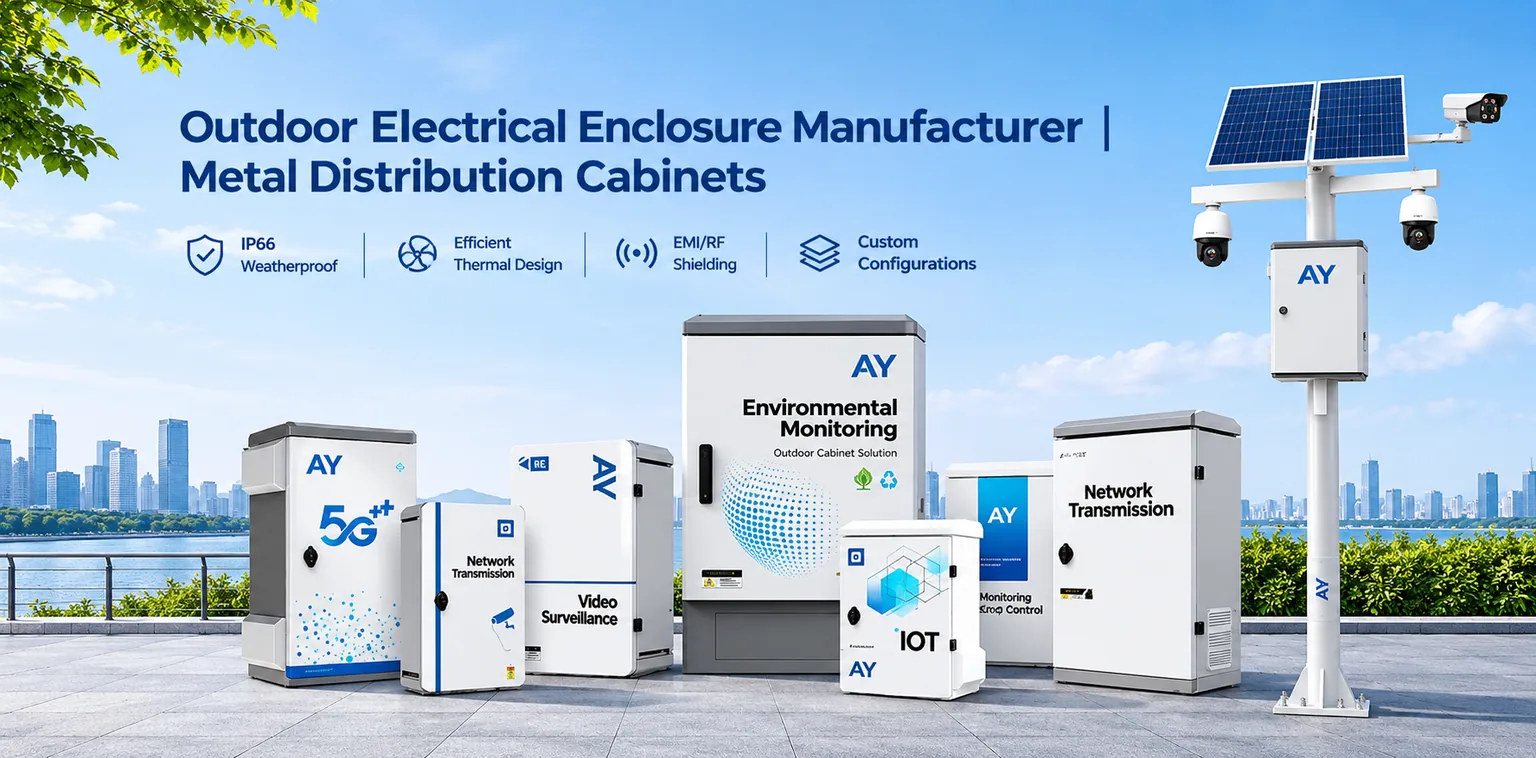
Outdoor Electrical Enclosure Manufacturer for Metal Power Distribution Cabinets
Foshan Anyiyao Electrical Equipment Co., Ltd. supplies wall-mounted and floor-standing outdoor metal electrical enclosures for power distribution, industrial control, energy infrastructure and system integration projects. Select a practical starting format, then confirm the material, dimensions, mounting method, protection requirement and customized details through engineering review.
Choose the Outdoor Electrical Enclosure Format
Outdoor electrical enclosure selection starts with the equipment layout, installation position, material requirement and environmental conditions. Use the following formats as a starting point, then confirm the final model and drawing before production.
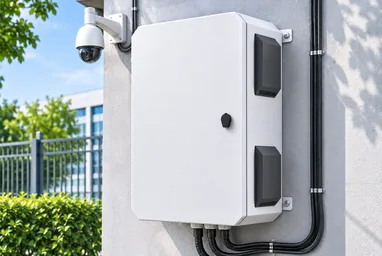
Wall-Mounted Outdoor Electrical Enclosures
Wall-mounted enclosures provide a practical format for outdoor distribution, control, monitoring and communication equipment installed on a fixed surface. Choose the enclosure size according to the internal components, electrical installation plate, cable entry and required service space.
- Overall and internal dimensions
- Wall-mounting method
- Door and locking arrangement
- Cable entry and internal installation plate
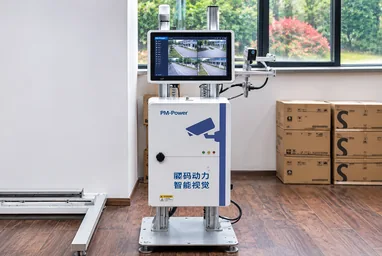
Floor-Standing Outdoor Electrical Cabinets
Floor-standing cabinets provide more internal volume for larger distribution, control, battery, monitoring and system-integration layouts. Confirm the cabinet footprint, working clearance, cable routing and base or floor-mounting requirements before finalizing the design.
- Cabinet width, height and depth
- Internal equipment arrangement
- Floor or base mounting
- Door access and service clearance
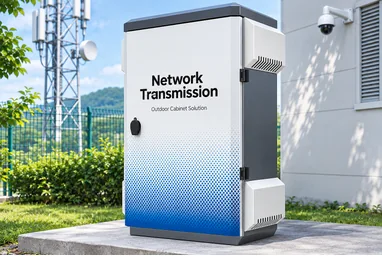
Custom Outdoor Distribution Enclosures
Custom outdoor distribution enclosures are developed around the equipment layout, mounting position and connection requirements. Custom work may include dimensions, material, surface finish, openings, cable entry, mounting, door and locking details, nameplates, printing and laser marking.
- Equipment and component layout
- Required openings and cable entry
- Mounting and access requirements
- Material and surface-treatment choice
Representative Outdoor Electrical Enclosure Sizes
The catalog includes small, medium and large outdoor enclosure formats. The table below shows representative overall and internal dimensions for selecting an initial size. Confirm the final model, door layout, installation plate, cable entry and mounting details before production.
| Model | Overall size W × H × D | Internal size W × H × D | Reference weight |
|---|---|---|---|
| C1-3415 | 300 × 400 × 150 mm | 250 × 350 × 140 mm | 6.7 kg |
| C1-3425 | 300 × 400 × 250 mm | 250 × 350 × 240 mm | 10.1 kg |
| C1-4520 | 400 × 500 × 200 mm | 350 × 450 × 190 mm | 13.2 kg |
| C1-4525 | 400 × 500 × 250 mm | 350 × 450 × 240 mm | 12.3 kg |
| C1-4620 | 400 × 600 × 200 mm | 350 × 550 × 190 mm | 12.6 kg |
| C1-4625 | 400 × 600 × 250 mm | 350 × 550 × 240 mm | 15.1 kg |
| C1-4630 | 400 × 600 × 300 mm | 350 × 550 × 290 mm | 16.5 kg |
| C1-5730 | 500 × 700 × 300 mm | 450 × 650 × 290 mm | 21.2 kg |
Note: Internal space must be checked against the components, electrical installation plate, cable bend radius, mounting hardware and service clearance. If the standard format does not match the equipment layout, request a custom dimension or opening review.
Configuration Parameters to Confirm
| Parameter | Catalog-listed direction | Buyer implication |
|---|---|---|
| Material | Galvanized steel or stainless steel options | Select according to environment, structure and project specification |
| Surface treatment | Powder coating or electrostatic spraying | Confirm color, finish and environmental requirements |
| Thickness | 1.2 mm starting parameter, customizable | Confirm structural and fabrication requirements |
| Protection direction | IP65, IP55 or NEMA 4 listed in product materials | Confirm the applicable model, assembly and documentation |
| Mounting | Wall, floor or pole mounting directions | Match the enclosure to the installation position |
| Internal layout | Electrical installation plate options and customized openings | Confirm component arrangement, cable entry and service access |
| Size range | Small, medium and large formats | Select using overall and internal dimensions |
Note: Protection, thickness, mounting and surface-treatment information is configuration-specific. Confirm the final values, test scope and documentation for the selected enclosure before publication or production.
How to Select an Outdoor Electrical Enclosure
| Project condition | Recommended starting direction | Confirm before quotation |
|---|---|---|
| Outdoor power distribution | Wall-mounted or floor-standing metal distribution cabinet | Equipment layout, current and voltage requirements, cable entry, mounting and service space |
| Industrial control or monitoring | Enclosure with suitable installation plate and customized openings | Controller dimensions, display or switch position, cable routing and access requirements |
| Larger equipment or battery layout | Floor-standing cabinet | Cabinet footprint, internal clearance, door access, base mounting and ventilation requirements |
| Limited installation space | Compact wall-mounted format | External dimensions, internal space, connectors and cable bend radius |
| Higher corrosion exposure | Stainless steel or specified surface-treatment direction | Environment, material grade, coating, fasteners and required validation |
| Pole or outdoor structure installation | Pole-mount configuration | Pole dimensions, brackets, wind or structural requirements and cable routing |
| Non-standard equipment layout | Custom outdoor enclosure | 2D/3D drawing, cut-outs, mounting holes, material, finish, quantity and markings |
The correct enclosure is determined by the complete equipment arrangement, not by the box dimensions alone. Review the internal components, installation position, cable entry, door access, surface treatment and required environmental protection together.
Galvanized Steel or Stainless Steel?
Material selection should follow the installation environment, structural requirement, surface-treatment plan and project specification.
| Material direction | Suitable starting condition | Confirm before production |
|---|---|---|
| Galvanized steel | General outdoor distribution, control and system-integration projects where a coated metal enclosure is appropriate | Coating system, thickness, finish, mounting and environmental exposure |
| Stainless steel | Projects requiring a stainless-steel enclosure direction or increased attention to the surrounding environment | Stainless-steel grade, finish, fasteners, fabrication and cleaning requirements |
| Custom material selection | Projects with specific customer, industry or environmental requirements | Material standard, thickness, finish, drawing and validation documents |
Foshan Anyiyao can review the material and surface-treatment direction together with the enclosure structure. The final recommendation should be based on the project environment and the complete equipment specification rather than on material name alone.
Reduce Common Outdoor Enclosure Selection Risks
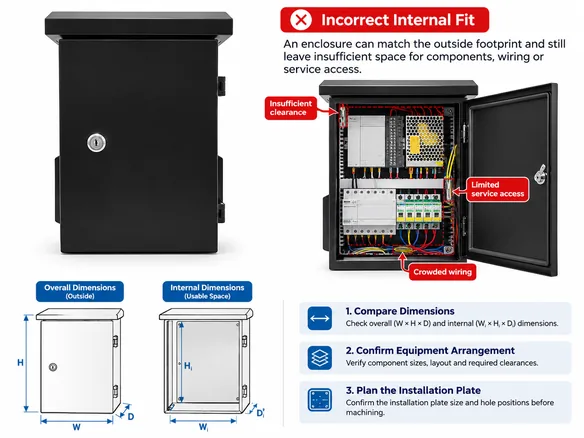
Incorrect internal fit
An enclosure can match the outside footprint and still leave insufficient space for components, wiring or service access. Compare overall and internal dimensions, then confirm the equipment arrangement and installation plate before machining.
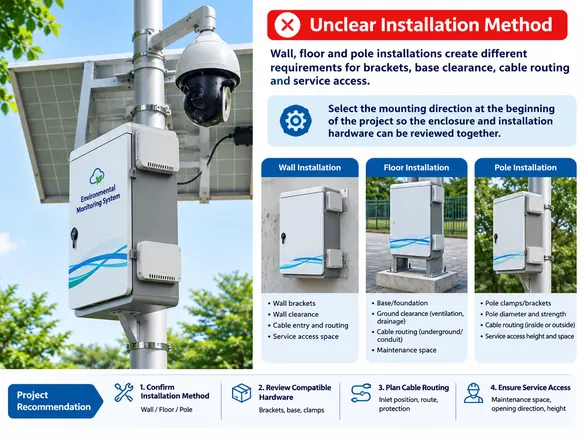
Unclear installation method
Wall, floor and pole installations create different requirements for brackets, base clearance, cable routing and service access. Select the mounting direction at the beginning of the project so the enclosure and installation hardware can be reviewed together.
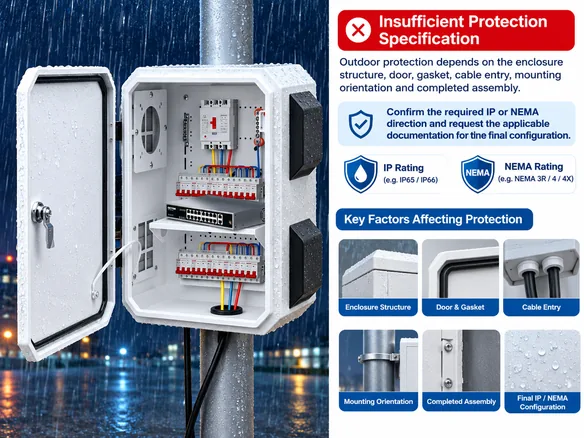
Insufficient protection specification
Outdoor protection depends on the enclosure structure, door, gasket, cable entry, mounting orientation and completed assembly. Confirm the required IP or NEMA direction and request the applicable documentation for the final configuration.
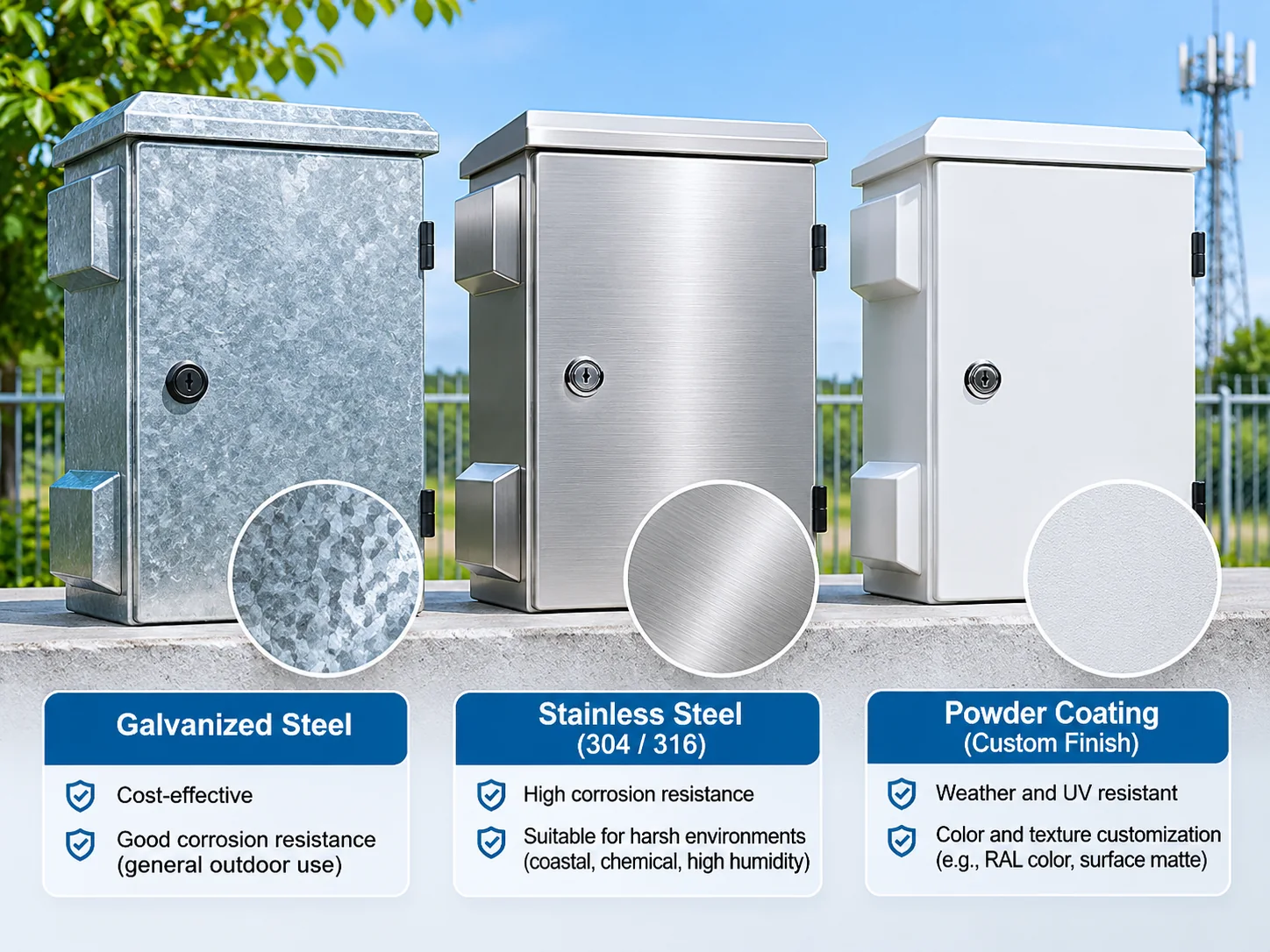
Material or surface-treatment mismatch
Outdoor exposure, customer specifications and installation conditions can change the material and surface-treatment decision. Compare galvanized steel, stainless steel and custom finish directions before the drawing is released for production.
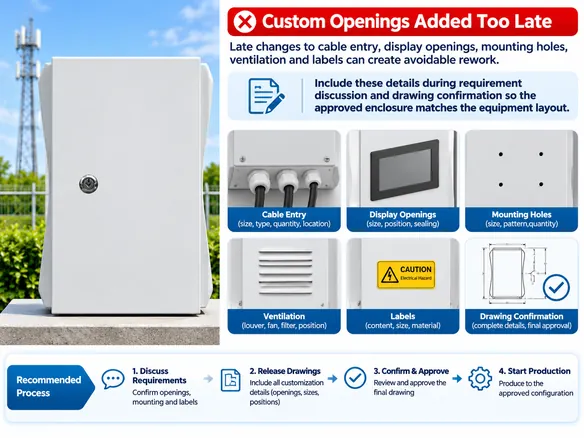
Custom openings added too late
Late changes to cable entry, display openings, mounting holes, ventilation and labels can create avoidable rework. Include these details during requirement discussion and drawing confirmation so the approved enclosure matches the equipment layout.
A Practical Manufacturing Path for Outdoor Enclosures
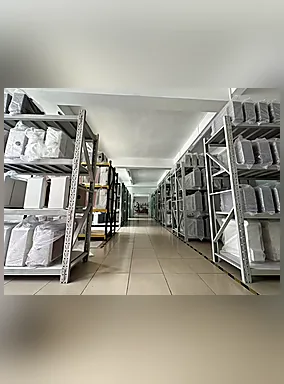
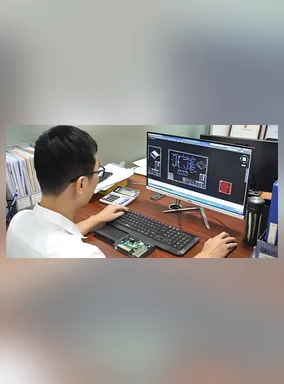
Product formats that begin with real dimensions
The outdoor metal enclosure range includes compact, medium and larger formats with listed overall and internal dimensions. This gives the project a practical starting point for equipment-fit and installation review.
Wall, floor and pole mounting directions
The product materials support wall-mounted, floor-mounted and pole-mounting directions. The selected mounting method can be coordinated with cabinet dimensions, cable routing and service access.
Customization around the equipment layout
Customization can address dimensions, material, finish, openings, cable entry, mounting, door and locking details, nameplates, printing and laser marking. Final details are confirmed through engineering review and drawing approval.
Process support from design to delivery preparation
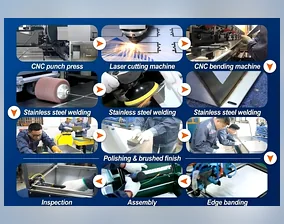
The project workflow connects requirement discussion, engineering evaluation, drawing confirmation, sample or pre-production review, mass production, inspection, packing and delivery preparation.
Outdoor Power and Control Applications
Outdoor metal electrical enclosures support equipment that must be organized, mounted and protected in outdoor or industrial environments. Typical application directions include:
- Outdoor power distribution
- Industrial control systems
- Energy and infrastructure projects
- Monitoring and control equipment
- Battery and electrical equipment
- System integration cabinets
- Communication and network support
- Project-specific installations
Application fit depends on the equipment layout, installation environment and required enclosure configuration. Include the application, approximate dimensions and mounting method when requesting a project review.



From Requirement Discussion to Production
A clear enclosure project begins with the equipment and installation requirements. The enclosure is then reviewed through engineering, drawing confirmation and production preparation.
Requirement Discussion
Review the application, equipment layout, installation position, material direction, size and quantity.
Engineering Evaluation
Check internal space, mounting, cable entry, door access, openings, surface treatment and production feasibility.
Drawing Confirmation
Confirm overall dimensions, internal layout, mounting details, openings, finish, labels and locking details.
Sample or Pre-Production
Review the selected configuration when the project requires a sample or pre-production check.
Mass Production
Manufacture according to the approved product and customization details.
Inspection & Delivery
Complete the applicable inspection and prepare the order for packing and delivery.
Manufacturing and Quality Support in Foshan, China
Foshan Anyiyao Electrical Equipment Co., Ltd. supports outdoor enclosure projects through engineering evaluation, material preparation, fabrication and forming, surface treatment, customization and machining, inspection, packing and delivery preparation.
Product and process discussions can be coordinated around the enclosure dimensions, material, mounting method, openings, surface finish and equipment layout.
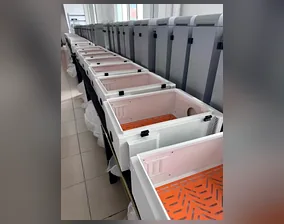

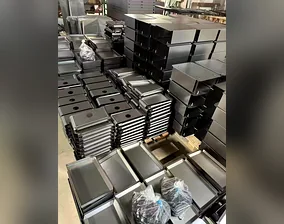
Outdoor Electrical Enclosure Selection Guide
What is an outdoor electrical enclosure used for?
How do I choose between a wall-mounted and floor-standing enclosure?
Should I choose galvanized steel or stainless steel?
What IP or NEMA rating do I need?
How do I choose the correct enclosure size?
Can the enclosure be customized?
How should I prepare an inquiry?
Start Your Outdoor Electrical Enclosure Project
Send the application, equipment layout and required enclosure configuration so the project can be reviewed with the right material, size and mounting direction. A drawing, component layout or product photo is helpful when the enclosure requires customized openings or installation details.